We encourage you to pay attention before you see obvious foundation damage. Fall rain, falling leaves, and cooler temperatures can make drainage trouble easier to spot across Southern Illinois and Western Kentucky. The sooner you notice where water goes, the more clearly you can understand what needs professional attention.
Standing Water Can Signal Poor Site Grading
Puddles beside exterior walls are one of the clearest signs of poor site grading. After a steady rain, water should not repeatedly sit near crawl space vents, basement entry points, or the base of the foundation. Even when a puddle dries up, the soil beneath it may stay wet for much longer.
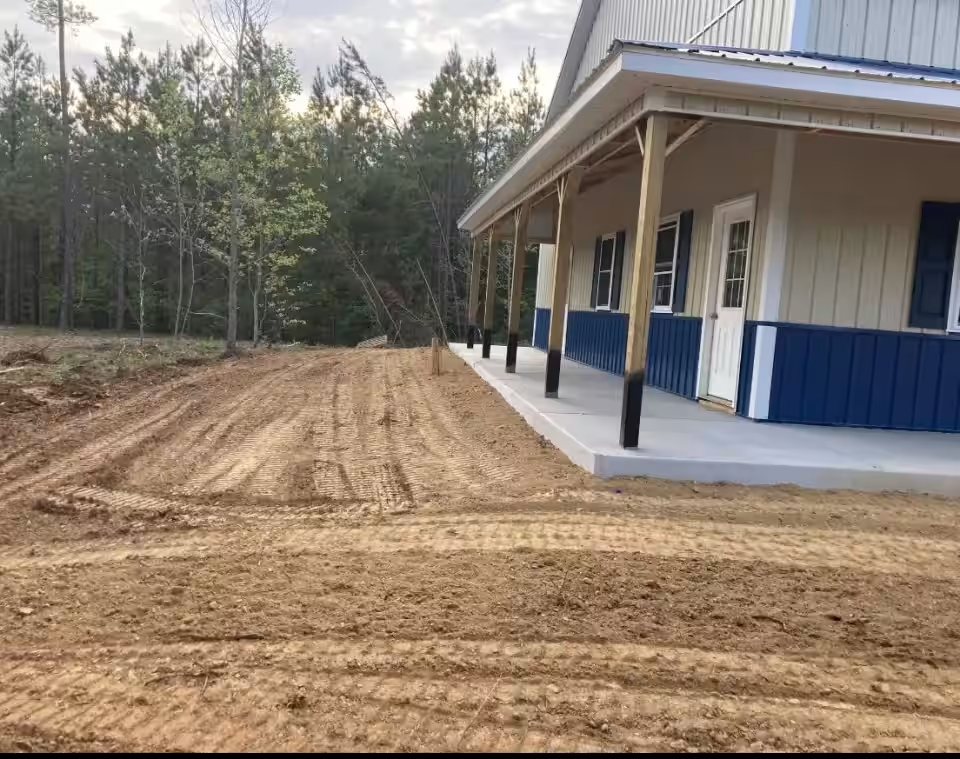
Low areas in a yard, landscaped bed, patio, driveway, or walkway can send runoff toward the building. A lawn may look level during dry weather but reveal its true drainage pattern when rain starts moving across it. Water naturally follows the easiest path, and that path should lead away from the structure.
Not every wet spot is caused by grading alone. We often find that several conditions may work together, including:
- Downspouts that release water too close to the building
- Gutters clogged with leaves or debris
- Damaged or blocked drainage features
- Hard surfaces that slope toward the foundation
- Compacted soil that does not allow water to move as intended
A professional site evaluation can help determine whether the issue involves regrading, drainage improvements, or both. After a good rain, take note of where water travels and where it gathers. Photos of wet areas can also make it easier to explain what you are seeing.
Exterior Changes Show Where Water Is Traveling
Erosion near a foundation can be a warning that runoff is moving too quickly or in the wrong direction. Water that cuts channels through bare soil, washes mulch away, or exposes plant roots is showing you its path. Those changes may seem like small landscaping problems, but they can point to a larger drainage concern.
Keep an eye out for exterior clues such as muddy splash marks on walls, algae growth, water stains, or finishes that appear to break down in the same area again and again. These signs do not automatically mean there is foundation damage. They do suggest that moisture is regularly reaching places it should not.
Paved surfaces deserve attention, too. Driveways, sidewalks, patios, and retaining areas can collect runoff and redirect it. Cracks, settling, or visible water flow toward the building may indicate that the surface slope needs to be reviewed along with the surrounding ground.
When the yard seems to drain well but water still reaches the structure, hardscape can be part of the problem. We recommend looking at the entire site rather than judging one wet area by itself. The way soil, pavement, gutters, and drainage paths work together matters.
Indoor Moisture May Point to an Outdoor Problem
Water problems outside can sometimes show up indoors. Damp basement walls, musty odors, peeling paint, recurring mildew, and visible moisture in a crawl space may mean water is reaching the building from the surrounding soil.
Foundation wall or floor cracks should be taken seriously, especially if they appear along with wet soil, standing water, or moisture after rain. Cracks can happen for different reasons, so it is important not to assume poor site grading is the only cause. A qualified foundation professional can assess structural concerns, while a site professional can examine how water is moving around the property.
Other changes may also deserve prompt attention:
- Doors or windows that become harder to open or close
- Uneven floors or new changes in floor level
- Wall finishes that crack, peel, or shift
- Damp areas that return after rainfall
- A crawl space that stays humid or wet
When indoor symptoms appear after rain, the timing is useful information. We encourage you to note when the issue occurs and what the ground looked like outside. Addressing the path of water may help limit continued moisture exposure, even when another issue also needs attention.
Fall Rain Can Expose Drainage Weaknesses
Early fall is a practical time to watch drainage patterns because rain can reveal low spots and blocked water routes that are easy to miss during dry weeks. Leaves can also collect in gutters, drains, swales, and downspout paths, causing water to overflow or pool where it does not belong.
Before colder weather arrives, we recommend having intended drainage paths checked and cleared by a professional. A drainage feature cannot do its job when it is obstructed. Blockages may also make poor site grading seem worse because water has nowhere else to go.
Summer landscaping changes can affect drainage more than many property owners realize. New garden borders, added mulch, soil piles, shrubs, and edging can change how water flows around a home, farm building, or commercial structure. Soil should not be built up against siding, vents, or foundation walls in a way that holds moisture against the building.
Taking note of these conditions in fall can help prevent a harder-to-manage situation during winter. Saturated ground, freezing temperatures, and repeated runoff can make site conditions more difficult to assess and correct.
Address Water Problems Before They Grow
Standing water, erosion, incorrect slopes, exterior staining, and indoor moisture are all signs worth investigating. None of them alone confirms foundation damage, but together they can show that water is not leaving the property as it should.
Redline Siteworks provides precision grading, drainage, excavation, demolition and site preparation services for residential, agricultural, and commercial properties. When repeated water issues appear near a structure, we can assess the site conditions and identify drainage and grading concerns that need professional attention.
Water should move away from your foundation, not settle beside it. Watching your property after rainfall and acting on repeated warning signs can help you address poor site grading before ongoing moisture creates bigger concerns.
Protect Your Foundation With a Clear Plan
Redline Siteworks can assess drainage patterns and recommend practical solutions for poor site grading around your home. Redline focuses on sitework that supports lasting protection for your property. Ready to discuss your project? Contact us to get started.