Southern Illinois & Western Kentucky
Pond Construction & Repair
Discuss pond construction or repair with Redline Siteworks in Southern Illinois and Western Kentucky. Share your goals, site conditions and existing pond concerns.
- 12 yearsIndustry experience
- Illinois & KentuckyServing both states
- OSHA Certified
- Clear written termsJob-specific warranty coverage
A new pond or an existing pond that needs attention
Pond construction and pond repair begin with different questions. For a new pond, the conversation starts with the intended use, the proposed location and the surrounding property. For an existing pond, it starts with what has changed, the areas that concern you and the condition of the site. Redline offers both construction and repair as part of its excavating services.
Project photos
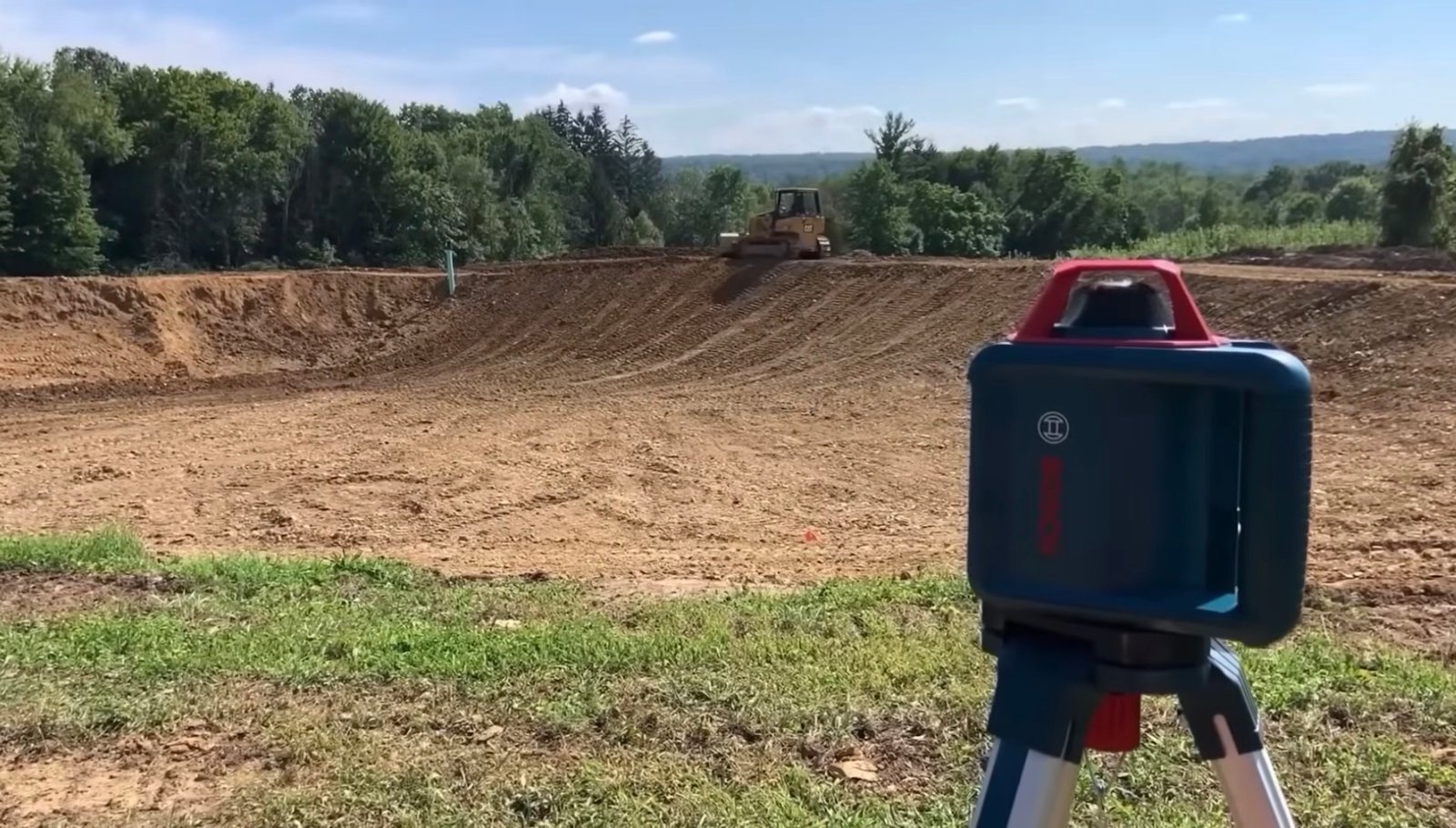
Pond construction and precision grading. The pond-construction photo with a laser level in the foreground shows our owner’s field work shaping a pond basin and its banks. It brings two services together: pond excavation and precision grading. For a new pond, share the intended use, available plans and surrounding ground conditions so the excavation and grading scope can be discussed together.
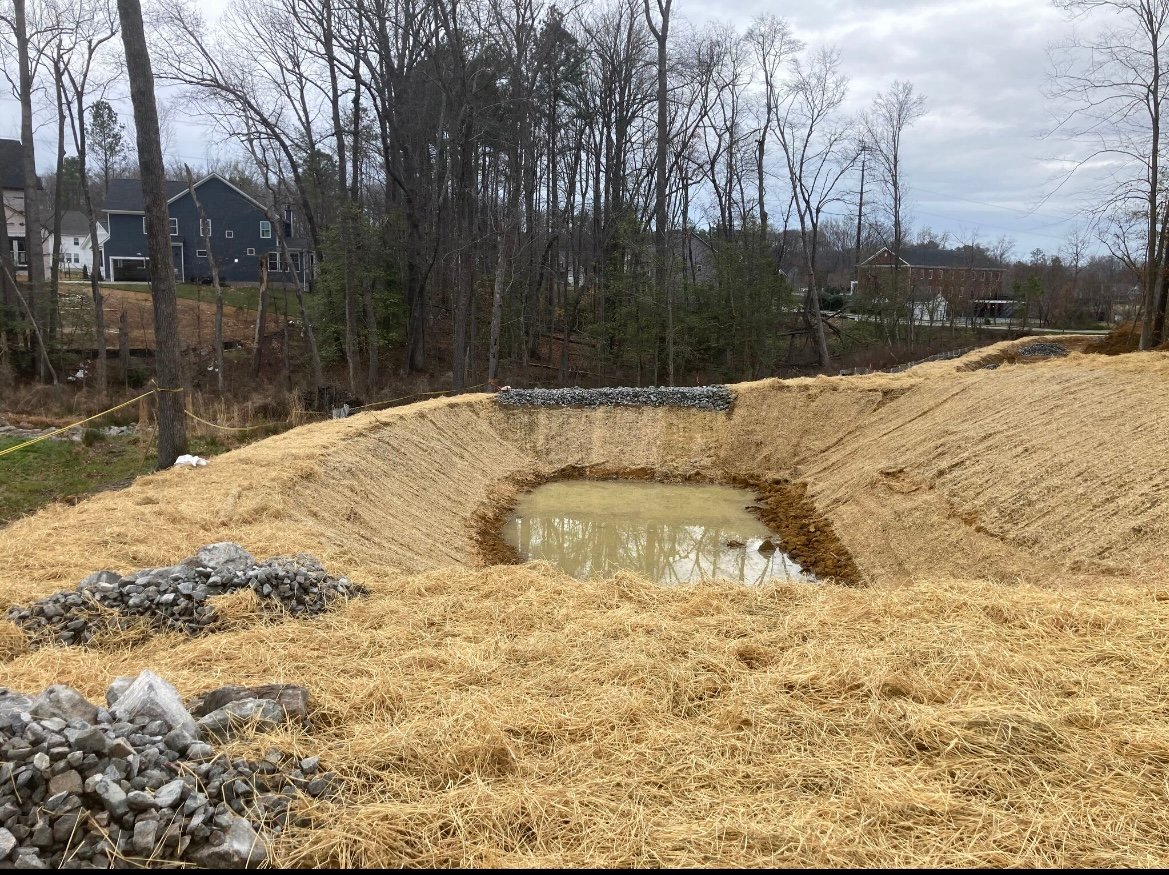
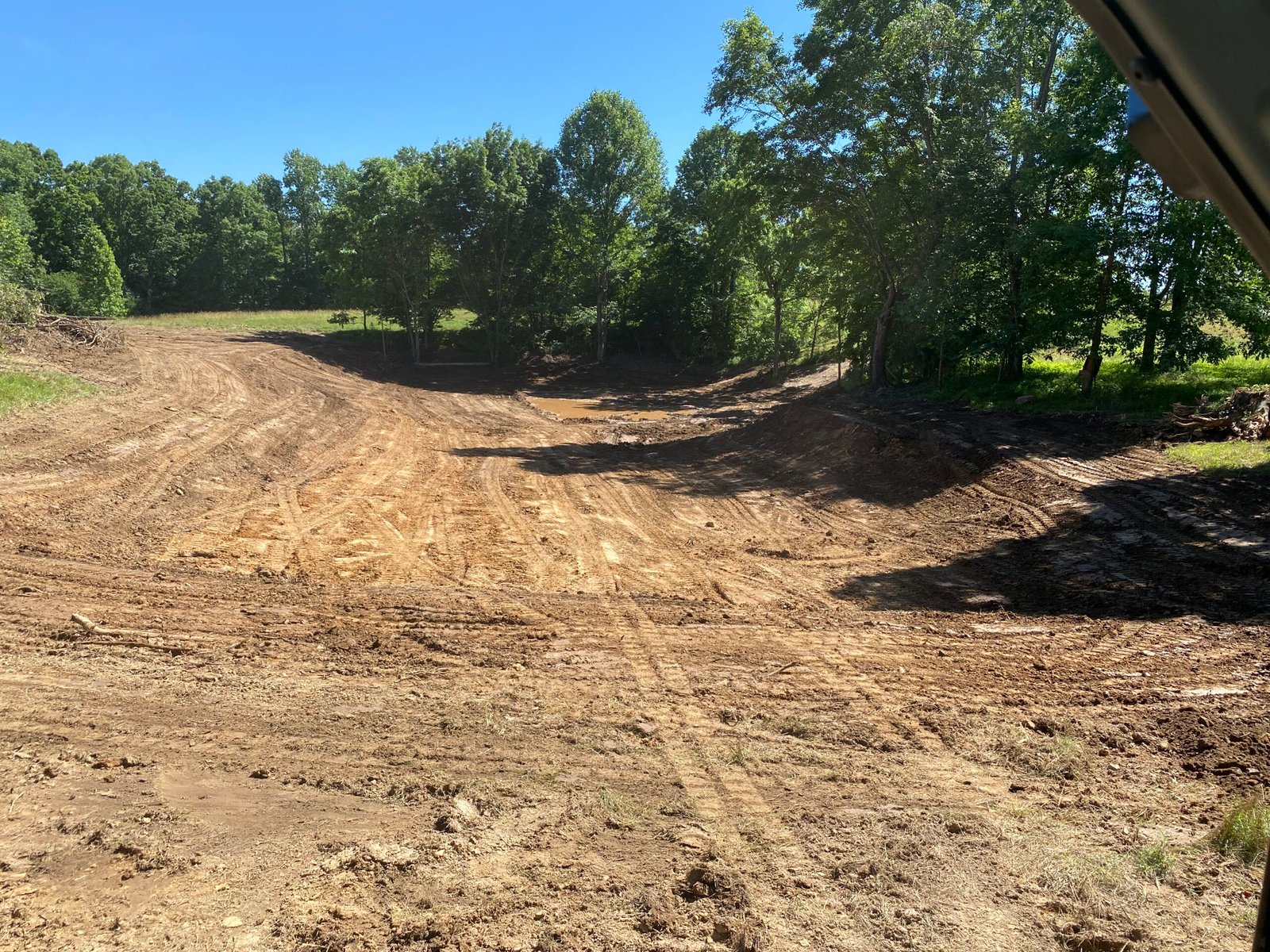
Put the purpose of the pond first
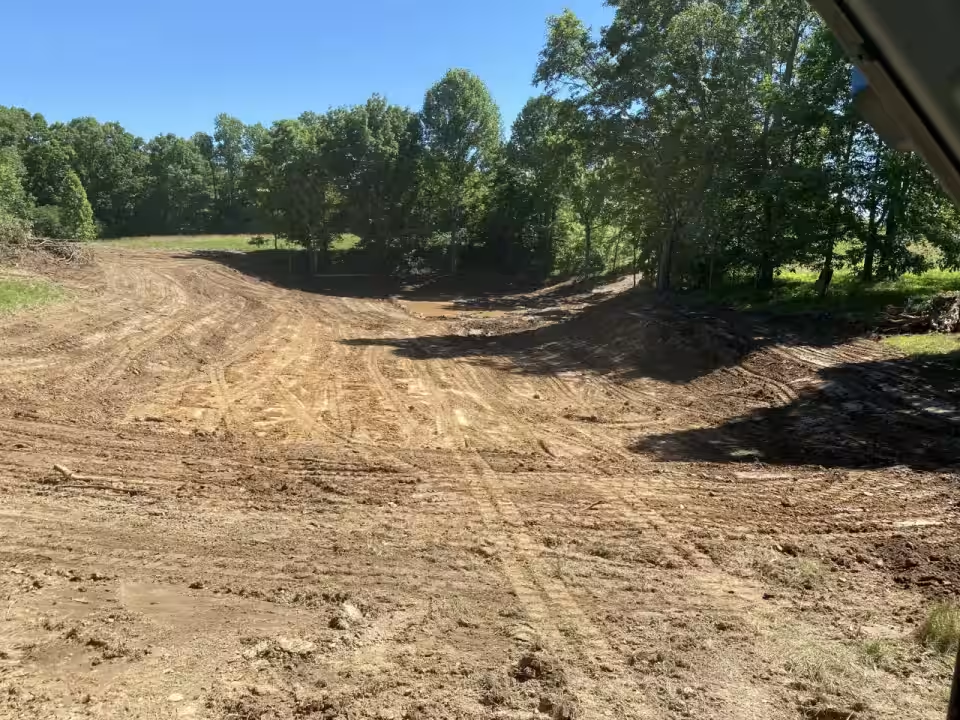
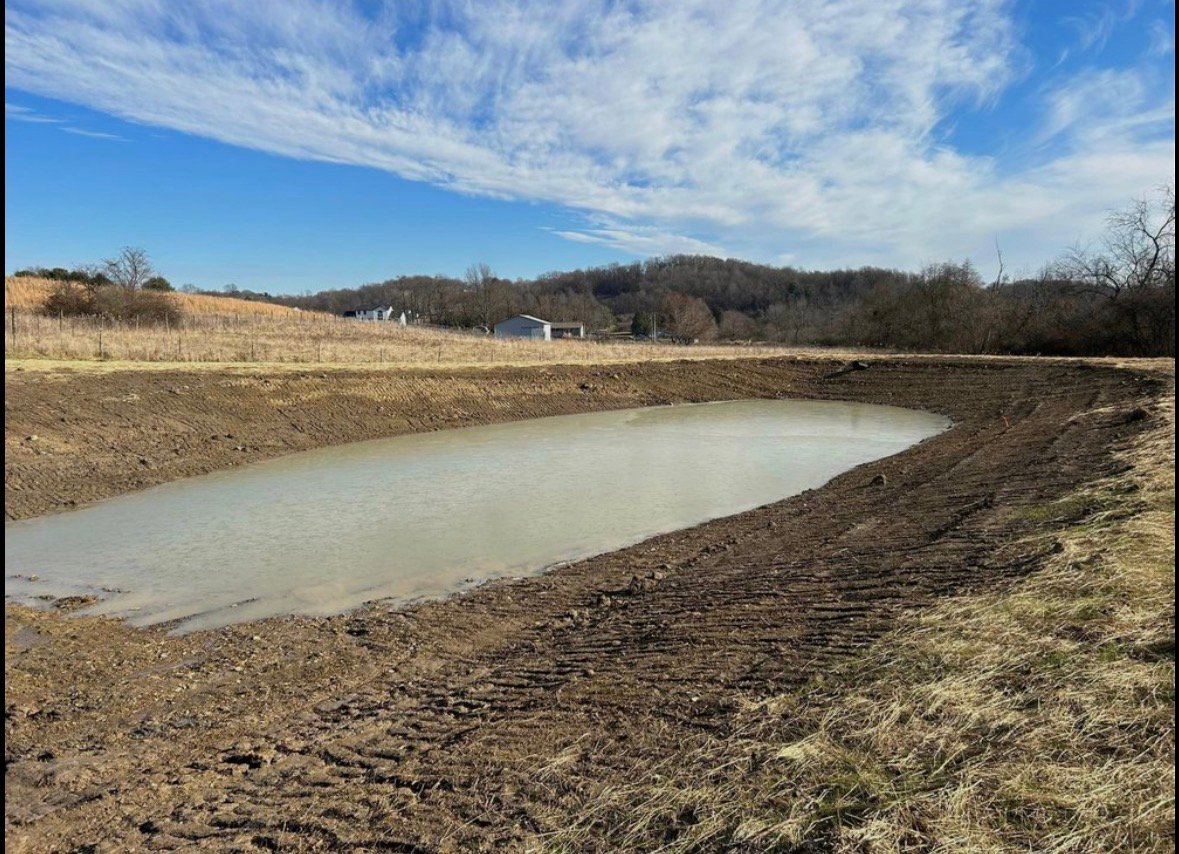
Tell us how the pond is intended to serve the property and what result you want from the work. An agricultural setting, a rural residential property and an existing pond repair may involve different access, excavation and material-handling needs. Describing the goal helps define the scope without assuming every pond needs the same work.
Site and repair considerations
Useful information includes access for the work, surrounding slopes, photos, available plans and observations about water conditions. For repairs, identify the affected area and when the problem is most noticeable. The written scope should distinguish the agreed excavation or repair work from any other property improvements.
Questions worth answering before excavation
- Purpose: how will the pond serve the property, and what result matters most?
- Site: where is it proposed, how does the surrounding ground drain, and what existing features must remain?
- Ground conditions: what is known about soil, prior fill, rock or wet areas?
- Water: what observations or plans are available for water entering and leaving the area?
- Access and materials: where can equipment work, and where would excavated material go?
- Project requirements: what design information, reviews or approvals need to be resolved for this particular site?
A proposed size or depth alone does not establish a suitable pond design. Earthwork, water supply, soil suitability and the surrounding property need to be considered together. Do not treat an excavation estimate as a guarantee of water retention or future water quality.
Construction, repair and sediment removal are different requests
A new pond begins with a proposed use and location. Repair begins with an existing condition: for example, an eroded area, a changed bank or a recurring water-level concern. Sediment removal or dredging is a separate scope with its own access, water-management and material-handling questions. Describe the condition you have rather than assuming one type of work is included in another.
For an existing pond, photos taken at different times can be useful. Note when the issue first appeared, whether it follows rain or dry weather, and what changed nearby. Those observations help frame the assessment; they do not establish the cause by themselves.
Illustrative planning examples
Examples include assessing a proposed rural pond location before excavation, reviewing a damaged bank on an existing pond, or coordinating nearby grading with a pond-related earthwork scope. These are illustrative applications, not completed Redline project descriptions or promises that every site is suitable.
From initial discussion to defined work
- Share the goal and existing conditions. Provide the location, photos, approximate area and any plans or history.
- Review site constraints. Discuss access, surrounding drainage, known soil conditions, retained features and material placement.
- Resolve the project requirements. Identify design information, outside reviews and dependencies needed before the earthwork scope is settled.
- Define the work and sequence. Specify excavation or repair limits, handling of material, work-area access and the agreed finish.
- Review completion against that scope. Separate the completed earthwork from ongoing maintenance and any additional work outside the estimate.
What changes the estimate?
Excavation volume, site access, ground conditions, material placement, existing water, required working space and the extent of any repair can affect the work. A repair with limited access can be very different from new excavation on an open site. Include nearby structures, fences and access limitations in your initial request.
Pond project questions
Can you price a pond from its width and depth?
Those dimensions help describe the goal, but the site and required scope need review before a meaningful estimate can be developed.
Does a low water level always mean the pond needs digging deeper?
No. A water-level concern needs assessment. More excavation should not be assumed to solve an unidentified cause.
Can excavated material stay on my land?
Discuss its suitability, the proposed placement area and how placement would affect access and surrounding drainage. Keep that work explicit in the estimate.
Is dredging included with pond repair?
Do not assume it is. Identify sediment-removal needs separately and confirm the appropriate scope before scheduling.
How do I start?
Send your pond project details, including the location, purpose, photos and the main concern you want addressed.
Coordinate nearby earthwork
Pond work may relate to grading or other drainage work around the property. We discuss those relationships as part of the project rather than treating an excavation in isolation.
Experience, communication and a clear scope
Redline Siteworks is built on 12 years of experience in excavation, site development and civil construction. Our owner is OSHA Certified and Project Management Certified. We plan each job around the actual site and communicate the proposed work in clear terms.
Warranty coverage is job-specific. Warrantied and non-warrantied scopes are identified in the written estimate/invoice documentation before work begins.
Tell us about your pond construction & repair project.
Tell us where the work is, what you want to accomplish and any site details that will help us understand the scope.
Prefer to call? 270-556-0757