Proudly serving Southern Illinois & Western Kentucky

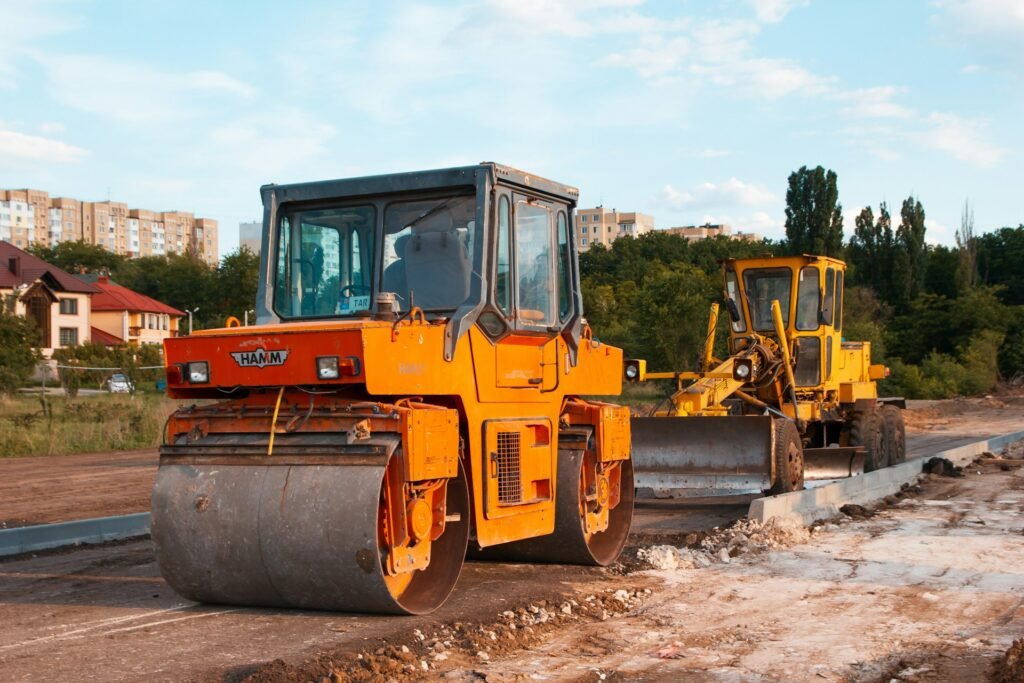
Reliable access roads keep a property, farm, job site, or commercial project moving. When a road becomes muddy, rutted, washboarded, or full of potholes, the problem reaches beyond an uncomfortable ride. Deliveries can be delayed, equipment may have trouble getting in, vehicles can take a beating, and wet-weather access can become unsafe.
The right answer is not always a full rebuild. We look at whether the existing road base is still firm and draining properly. Regrading can restore a road with a sound foundation, while rebuilding is often the better path when water, weak soil, or failed base material keeps causing the same problems.
Regrading works well when the road has surface wear but the structure underneath is still holding up. A gravel driveway, farm lane, private road, or construction entrance can develop shallow ruts, uneven gravel, small potholes, and low areas through normal traffic. If water is moving away from the road and the base remains stable, reshaping the surface can bring it back into usable condition.
During a regrading project, we reshape the road so water sheds off instead of sitting in the travel path. That may include restoring the crown, moving gravel back toward the center, smoothing traffic damage, and correcting spots where runoff begins to collect.
A properly maintained road should have a profile that directs water away from its center. Regrading is often a strong part of a larger property maintenance plan when you notice:
Still, spreading new gravel over soft ground is not a lasting repair. Before recommending regrading, we assess what is happening below the surface. A road may look rough because it needs reshaping, or it may look rough because its foundation is beginning to fail. Those are two very different problems.
Some roads have been graded many times, only to break down again after the next rain or heavy load. That cycle usually points to a deeper issue. When aggregate disappears into the ground, edges sink, mud rises through the gravel, or potholes keep returning in the same places, the road needs more than a smoother top layer.
A full rebuild addresses the road from the ground up. Depending on site conditions, we may remove failed material, excavate weak areas, improve the subgrade, install separation fabric where appropriate, place aggregate in layers, compact the material, and establish the proper elevation and crown. Each step supports the next one.
Warning signs that often call for rebuilding include:
For larger residential, agricultural, and commercial plans, a rebuilt access road can support the work that follows. Delivery trucks, concrete vehicles, farm equipment, construction machinery, and everyday traffic all put pressure on the road. Building the road correctly before a new home, barn, shop, pond, utility run, or building pad project can help avoid repeated patching and delays later.
Water is one of the main reasons access roads fail. Runoff that crosses the road, collects at the shoulders, or soaks into the base can soften the soil beneath the gravel. Once that happens, vehicle weight pushes the material down and out, creating ruts, potholes, and unstable sections.
Road construction in Southern Illinois often needs drainage planning alongside excavation and grading work. The road itself may not be the source of the water. Runoff can come from a hillside, a field, a roof, a parking area, a new building pad, or an upstream ditch. We consider where that water starts, how it travels across the property, and where it can safely go without damaging the access route.
A complete drainage approach may involve:
Trying to fix a wet road without addressing the water path often leads to the same repair again and again. The road surface may look better for a while, but the base remains exposed to the conditions that caused the failure in the first place.
Autumn can reveal road weaknesses that were easy to overlook earlier in the year. Summer storms, harvest traffic, heavy hauling, and construction activity may leave soft spots, new ruts, washed-out edges, or drainage paths that were not obvious before. Cooler weather and changing rainfall patterns give property owners a clearer look at how a road performs under real conditions.
Planning improvements before winter weather arrives can make a meaningful difference. Roads that are already holding water or breaking down may become harder to use during long wet periods and freeze-thaw cycles. Looking at access early also gives you time to coordinate road work with larger projects, such as a concrete pour, building pad, agricultural expansion, or commercial site preparation.
When we plan road construction in Southern Illinois, we also look ahead to the next phase of the property. An access road should not only handle today’s traffic. It should be built for the equipment, deliveries, and site activity that may come with future construction.
A road that keeps failing is usually telling you something about its base, drainage, traffic demands, or all three. Regrading remains a practical solution for roads with stable foundations and normal surface wear. When soft ground, recurring water damage, or heavy use has weakened the structure, rebuilding may be the better long-term answer.
For properties throughout Southern Illinois, Western Kentucky, and West Tennessee, the best road plan considers the entire site rather than just the visible ruts. Access roads work best when grading, drainage, aggregate preparation, and future property use are treated as connected parts of one larger sitework plan.
Redline Siteworks can coordinate the grading, drainage, aggregate, and site preparation your project needs for reliable road construction in Southern Illinois. Our team evaluates how the road will serve current traffic, future construction, and surrounding land conditions. When you are ready to discuss your property goals, contact us to get started.