Proudly serving Southern Illinois & Western Kentucky

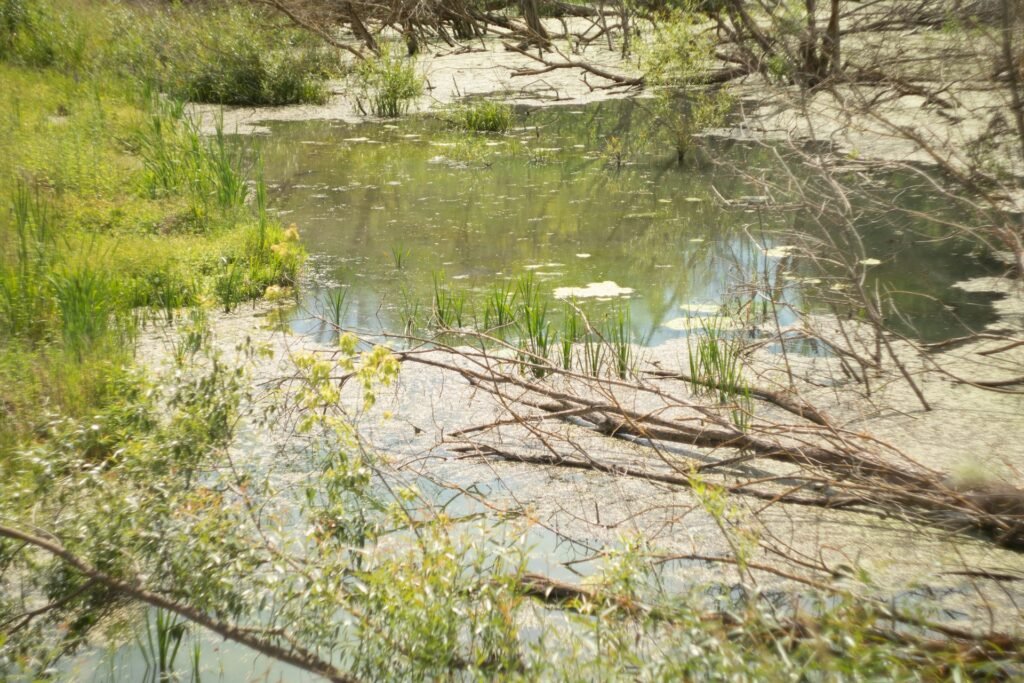
Fall rains often bring pond problems into plain view. Soft spots in the dam, muddy water, dropping water levels, worn banks, or water flowing around an overflow area can all point to issues below the surface.
We see many pond concerns as part of a larger sitework problem, not a small patching job. A lasting repair may involve excavation, dam rebuilding, basin work, drainage planning, spillway improvements, access preparation, and final grading that protects the whole property.
Dry weather can hide trouble for months. Once steady rain returns, water finds low spots, weak soil, poorly shaped slopes, and drainage paths that were not obvious before. A visible leak in a dam may be only one sign of a larger issue involving compaction, runoff, sediment, or surrounding grades.
Across Southern Illinois, rolling ground, clay soils, farm runoff, and changing seasonal weather can all affect how a pond holds and moves water. Whether your pond supports livestock, recreation, irrigation, drainage, or future development plans, it needs to work as part of the land around it.
When we review a damaged pond, we look beyond the wet area that first caught your attention. The repair plan may need to address:
Patching a small hole without correcting the source of the damage can lead to the same problem returning after the next hard storm.
Before repairs begin, pond contractors in Southern Illinois should evaluate the full system. That means looking at the dam, basin, banks, spillway, overflow route, watershed, and the grades surrounding the pond. Water does not stay in one place, so the cause of a failure may begin far from the damaged section.
Runoff from a field, gravel drive, hillside, neighboring ground, or future building site can carry soil into the basin. It can also cut channels along the shoreline or push too much water toward an undersized overflow area. Our goal is to understand where water enters, how it travels, and where it can safely leave during a heavy rain.
Soil conditions matter just as much as water flow. Weak fill, poor compaction, buried debris, animal activity, or soil that does not seal well can all affect pond performance. Depending on what we find, a larger repair may call for selective excavation, clay placement, controlled compaction, reshaping, or rebuilding key parts of the pond.
A weakened dam often needs more than material placed over the top. If unstable soil remains underneath, a surface repair may look better for a while without solving the problem. In those cases, we may need to remove weak material and rebuild the dam with suitable soil placed in controlled layers and compacted as the work moves forward.
Shape is a major part of the repair. The dam’s crest, side slopes, tie-ins, and connection to the surrounding ground all affect how water moves around it. A properly shaped dam helps direct runoff away from vulnerable areas, reduces erosion, and gives you safer access for future upkeep.
Overflow planning belongs in the same conversation. When excess stormwater has no dependable path out, it may cut around the dam and create washouts. A complete project can include a planned spillway, overflow channel, and final grading that guide water where it needs to go.
Sediment buildup can turn a pond repair into a larger excavation project. Soil, organic material, and debris gradually settle in the basin, making the pond shallower and reducing the amount of water it can hold. A shallow pond may warm faster, grow more unwanted vegetation, provide less water for its intended use, and become more likely to overflow during wet weather.
Excavating accumulated material allows us to reshape the basin and improve the bottom profile. Selected areas can be deepened, transitions from the bottom to the shoreline can be stabilized, and the pond can regain storage capacity that sediment has taken away.
Banks deserve attention, too. Eroded slopes continue feeding dirt into the water and can create unsafe edges near fields, travel paths, or recreational areas. A full repair may include:
A pond should not be treated as an isolated feature when the property has bigger plans. If it sits near a future building pad, barn, driveway, field entrance, or commercial project, the repair should fit the overall grading and drainage plan. Thoughtful excavation can support pond function while also preparing the ground for what comes next.
Larger repairs need room for equipment access, haul routes, staging, and soil handling. Some excavated material may be suitable for grading other areas, while unsuitable soil may need to be relocated as part of the project. Planning this early helps avoid creating new drainage trouble while repairing the pond.
At Redline Siteworks, we coordinate excavation, grading, drainage, demolition, concrete, and site-preparation work for substantial land-improvement projects across Southern Illinois, Western Kentucky, and West Tennessee. That broader view helps us plan pond repairs around the real needs of the property instead of treating one wet spot as the whole problem.
Fall is a practical time to assess a pond that has started showing signs of trouble. Winter rain, freeze-thaw cycles, and wet ground can make damaged areas harder to access and allow erosion to spread. An early review gives you time to understand the scope of the work and plan the right repair window.
The best long-term pond repair starts with the whole system: the water source, soil, dam, basin, banks, overflow route, and surrounding grades. Addressing those connected pieces can help protect the pond’s purpose and reduce the chance that the same damage returns with the next season of heavy rain.
Redline Siteworks can evaluate the site conditions affecting your pond and develop a repair plan that supports lasting performance. Our pond contractors in Southern Illinois handle larger repair projects involving grading, drainage, dam work, and erosion control. Contact us to discuss your property and request an assessment.