Proudly serving Southern Illinois & Western Kentucky

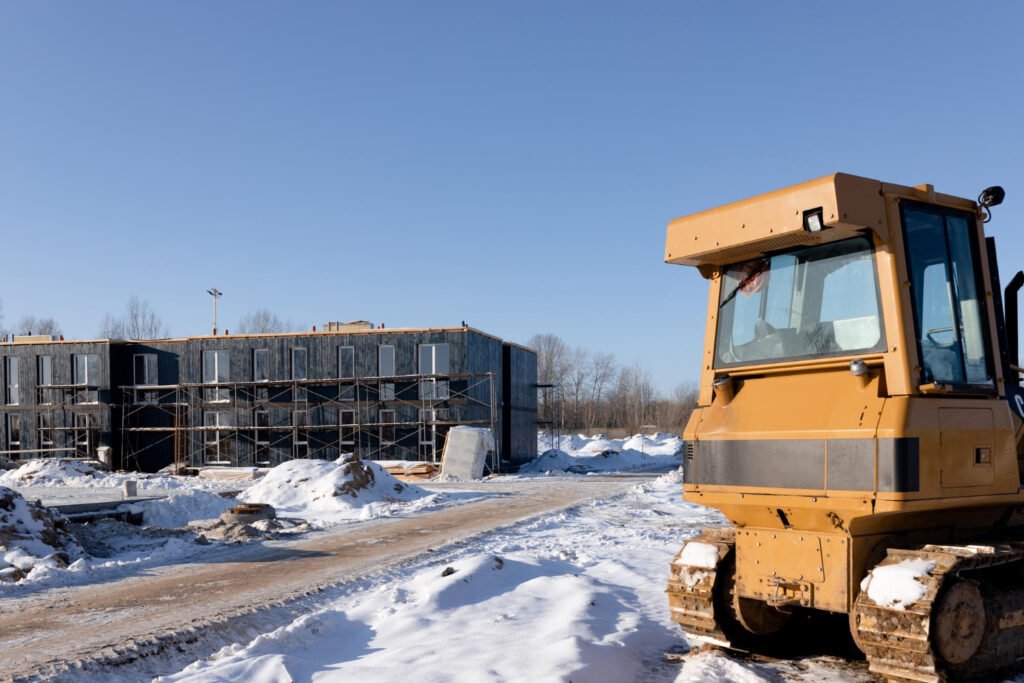
Site preparation often decides whether construction can keep moving when temperatures drop and fall rain turns open ground soft. Before a foundation is poured or a new structure goes up, the property needs a plan for clearing or demolition, grading, drainage, building pads, access routes, and concrete-ready areas.
Greenfield and redevelopment projects both need that planning, but they do not start with the same challenges. We work with larger residential, agricultural, and commercial projects throughout Southern Illinois, Western Kentucky, and West Tennessee, helping property owners prepare land for the next phase instead of simply moving dirt from one spot to another.
A complete site assessment gives us a clear view of what the property needs before weather limits access or exposes trouble spots. On greenfield land, we may find heavy vegetation, uneven slopes, soft soil, natural drainage paths, or limited ways for equipment to enter the site. A property can look open and simple from the road while still holding low areas or ground conditions that affect a future building pad.
Redevelopment sites call for a different kind of inspection. Older homesites, former commercial parcels, and farm properties may have buried debris, old concrete, outdated drainage features, or grades that no longer fit the property’s intended use. Existing structures and paved areas can affect where crews work first and how materials move around the site.
When we assess a larger project, we look at how the full footprint works together, including:
Finding concerns early helps avoid surprises once work begins. Standing water, unsuitable fill, hidden concrete, or an inaccessible work zone can interrupt progress if they are not part of the original plan.
Greenfield development may feel like a blank slate, but clearing land is only the first step. A construction-ready property needs a sequence that considers what happens after vegetation is removed. Land clearing, excavation, grading, drainage work, and pad construction should be planned in an order that supports the build rather than creating extra rework later.
For a residential project, that may mean preparing a stable house pad, shaping a driveway approach, directing runoff with swales, and leaving workable routes for concrete trucks and construction equipment. On agricultural or commercial land, the plan may cover a broader area, with building locations, equipment travel lanes, stormwater control, and durable grading across the property.
Experienced site preparation contractors in Southern Illinois help you coordinate these stages before winter weather creates muddy access, slows hauling, or lets water settle in future building areas. The goal is not simply to remove trees and brush. It is to shape the land so the next contractor can begin work on a site that is stable, accessible, and prepared for its intended use.
Redevelopment begins with what is already on the property. Old structures, cracked slabs, unwanted driveways, and leftover materials may need to come out before new construction can move forward. Unlike greenfield work, the first question is often not where to start building, but what needs to be removed or corrected first.
We plan demolition and removal around the future layout whenever possible. That helps preserve usable portions of the site while clearing the areas needed for new pads, better access, drainage improvements, or expanded work space. Removal can include structures, existing concrete, debris, and materials that do not belong beneath a new building area.
A phased approach can help keep the larger site plan organized:
Redevelopment also gives you a chance to fix problems that have existed for years. Removing deteriorated features can make room for safer driveway access, better runoff paths, and grading that supports the property’s next use. We approach demolition as one part of coordinated site preparation, not as a small removal-only task.
Rainy conditions can quickly reveal where a site holds water. Low spots, compacted ground, blocked runoff paths, and unfinished grades can leave work areas muddy and difficult to reach. Addressing drainage before winter construction starts helps direct water away from building areas, driveways, work zones, and future concrete locations.
Drainage solutions may include grading adjustments, swales, culverts, and other stormwater controls suited to the overall property plan. These pieces should work with the building pad and access route, not compete with them. A level pad is not enough if water drains toward it, and a good driveway layout still needs a base that can support repeated construction traffic.
Reliable access also helps keep the project moving. Equipment, material deliveries, and concrete crews need a route that can handle wet conditions without becoming deeply rutted or blocked. Site preparation contractors in Southern Illinois should plan pads, drainage, and access as connected parts of the same project, because each one affects the others once weather changes.
Starting early gives you more room to address the full scope of work before wet or freezing conditions make site changes harder. Greenfield land may need clearing, excavation, and new drainage features, while redevelopment may require demolition, concrete removal, and correction of old site problems before grading begins.
The practical takeaway is simple: plan the whole property, not just the first task. When building pads, drainage, access improvements, grading, demolition, and concrete-ready preparation are coordinated from the beginning, the site is better positioned to support construction through changing fall and winter conditions.
Redline Siteworks coordinates grading, drainage, access, building pads, and concrete-ready preparation as one complete scope. For experienced site preparation contractors in Southern Illinois, our team can help align the work with your construction schedule. Contact us to discuss your commercial sitework needs and request a project consultation.