Proudly serving Southern Illinois & Western Kentucky

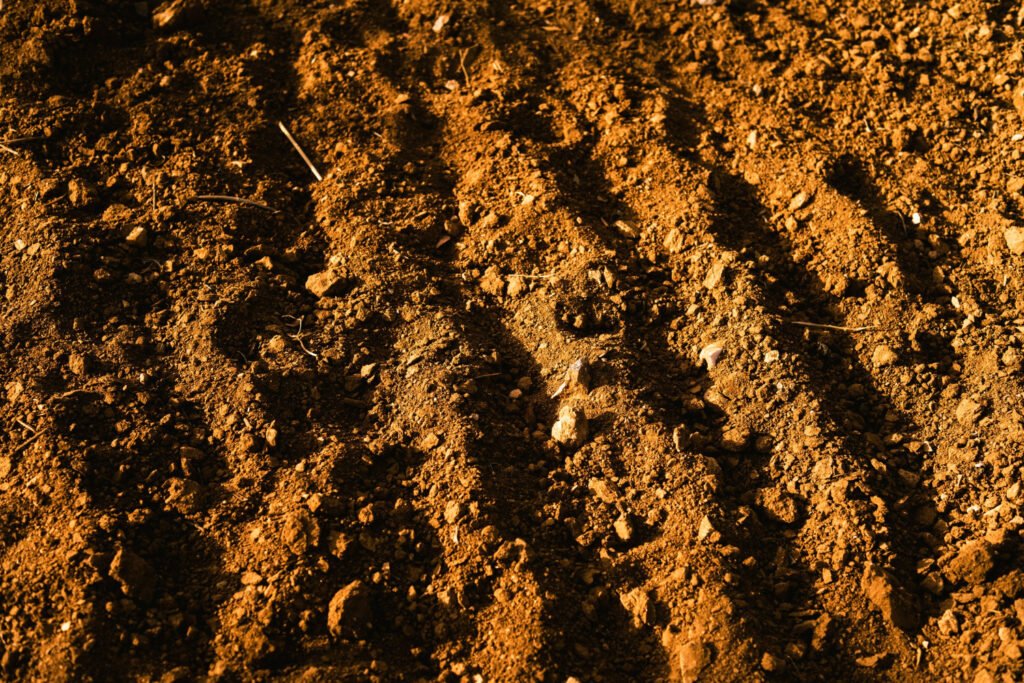
A building pad can look level and ready for construction while weak soil remains below the surface. When compaction is done wrong, that hidden weakness can lead to building pad settlement after a slab, structure, equipment area, or paved surface is already in place.
We help property owners, builders, and project managers plan for stable ground before the next phase begins. A dependable pad starts with the existing soil, proper subgrade preparation, controlled fill placement, grading, drainage planning, and compaction throughout the work.
A building pad is the prepared area meant to support a planned improvement. It may support a home, agricultural building, commercial structure, concrete slab, equipment area, or another finished surface. Its long-term performance depends on what is underneath it, not just how smooth or flat it looks on the day site work is finished.
Settlement happens when soil particles shift, compress, or lose support. Poor compaction can leave loose fill, weak areas, uneven density, trapped moisture, or soft soil beneath the pad. Once weight is added, those areas may move.
When we prepare a site, we look beyond final grade. A stable pad calls for a process that addresses:
Taking care of these details before concrete is poured or construction begins can help reduce the chance of uneven surfaces, drainage concerns, and movement in the finished work.
Compaction reduces the empty spaces between soil particles. If soil or fill remains loose, those spaces can compress later under the weight of a building, slab, stored material, vehicle traffic, or changing moisture conditions.
One common issue occurs when fill is placed in layers that are too thick for the equipment and compaction method being used. The top may feel firm underfoot, but the material farther down can still be loose. Over time, the deeper soil may compress, causing the surface above it to drop.
Uniform compaction matters just as much as compaction itself. If one part of a pad is dense and another part is weak, they may settle at different rates. This is called differential settlement, and it can put stress on slabs, foundations, walls, pavement, and joints.
During excavation and grading, we account for the soil type, fill material, equipment access, lift thickness, and the edges of the pad. Transitions between cut areas and fill areas also need attention. A neat-looking surface alone does not confirm that the soil below has the support a project needs.
Water has a major effect on how soil behaves. Soil that is too dry may not bind and densify as intended. Soil that is too wet can become soft, unstable, and difficult to compact properly.
Moisture can enter a pad area in several ways:
Placing fill over wet or saturated ground without addressing the moisture issue can leave the pad with less strength. Even soil that was compacted earlier can soften if water is allowed to collect around it later.
Fall weather can bring changing temperatures and rainy periods across Southern Illinois, Western Kentucky, and West Tennessee. Conditions can shift quickly, so we monitor soil moisture as excavation, grading, and compaction work moves ahead. Waiting for suitable conditions or addressing wet areas can be better than building over soil that is not ready.
Drainage planning supports pad stability long after sitework is complete. Proper grading should direct water away from the planned building area. Where runoff, standing water, or naturally wet ground affects the site, drainage features may also be needed to manage water before it weakens the soil below the pad.
Many building pads need fill to raise or level the site. That fill should be placed in controlled layers, then compacted as each layer is completed. Adding a large amount of material at once may create loose zones below the surface, even if the top is graded smoothly.
Problems can also develop when crews focus only on reaching final elevation without fully preparing the soil below. Changes in soil type, inconsistent fill, buried organic material, debris, soft spots, or unsuitable soil left in place can create areas that respond differently under load.
Uneven movement is often more damaging than settlement that occurs consistently across the entire pad. Depending on the type of construction and how much movement occurs, signs can include:
For that reason, we take a systematic approach to site preparation. Suitable material is cleared where needed, the subgrade is shaped, fill is placed in manageable lifts, and each lift is compacted before more material is added. The finished pad must also be graded to support water movement away from the building area.
Correcting poor compaction becomes much harder after a slab, foundation, building, or paved surface is installed. Finding weak areas during site preparation gives everyone involved a chance to address them before they affect the completed project.
Excavation, grading, drainage, and concrete preparation are connected. Inadequate grading can send water toward the pad, while drainage problems can soften soil that was compacted earlier. We recommend reviewing the site’s soil, elevation changes, intended use, water movement, and construction schedule before work moves into the next phase.
A properly prepared building pad is more than flat ground. It is a stable base created through careful excavation, fill placement, grading, drainage planning, and soil compaction. Addressing those factors early can help reduce the risk of building pad settlement and the problems it may cause later.
Redline Siteworks provides residential site preparation focused on stable, well-compacted foundations. Learn how our approach can help prevent building pad settlement before construction begins. For a project-specific discussion, contact us to request an estimate.